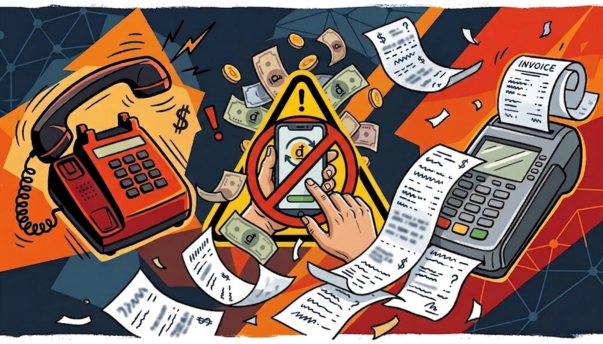
Online fraud mostly stems from familiar tactics, creating a sense of trust or urgency so that victims act hastily without time to verify. Slowing down for 10 seconds to calmly verify will keep you safer.
Common scam scenarios: • Calls impersonating banks, police, or authorities • Messages alerting "account trouble", requiring urgent handling • Links to receive gifts or prizes • Requests from "acquaintances" on social media (whose accounts have been hacked or spoofed) • From there, scammers guide users to perform a series of actions: clicking on unfamiliar links, scanning QR codes, providing personal information, reading OTP codes, or installing applications as instructed...
The "10 seconds of calm" rule from Cybersecurity experts
-
Before any request related to money, accounts, or personal information, pause for 10 seconds of calm:
-
Think carefully upon receiving requests related to money, accounts, or personal information; practice the reflex of recognizing scam signs
-
Do not provide passwords, OTP codes, PIN codes, or account information to anyone; do not access links, scan QR codes, or install applications from unverified sources
-
Do not rush to transfer money simply due to being urged or threatened with the loss of benefits
Bkav